
Minnesota Property Tax Records
Minnesota property tax records are public documents managed at the county level across all 87 counties. You can search property tax records online through county portals, view assessment data, check payment status, and look up parcel information. Each county in Minnesota has an Assessor's Office that sets values and an Auditor-Treasurer's Office that handles collection. The Minnesota Department of Revenue provides oversight and offers statewide data tools for researching property tax information across the state.
Minnesota Property Tax Records Overview
How Minnesota Property Taxes Work
Minnesota property taxes fund local government. Counties, cities, school districts, and special taxing districts all rely on property tax revenue to operate. The state does not collect property taxes directly. Instead, the state sets the legal rules under Minnesota Statutes Chapter 272, and each county administers the system locally. This means your tax bill reflects local levies from several different taxing jurisdictions, not just one.
The process starts with your county assessor. Every year, the assessor estimates the market value of all taxable property in the county as of January 2. Under Minnesota Statutes Chapter 273, properties are classified by use, such as residential homestead, agricultural, commercial, or industrial. The classification affects the tax rate applied. Once values and classifications are set, local governments certify their levy amounts. The county then calculates each property owner's share of the total levy based on the property's taxable market value and its class rate.
The Minnesota Department of Revenue oversees the whole system. They set class rates, review county compliance, administer refund programs, and publish data on effective tax rates statewide. The Department does not intervene in individual tax bills but does provide tools and resources that help property owners understand what they owe and why.
The Minnesota Department of Revenue main portal is the starting point for state-level property tax data and forms.
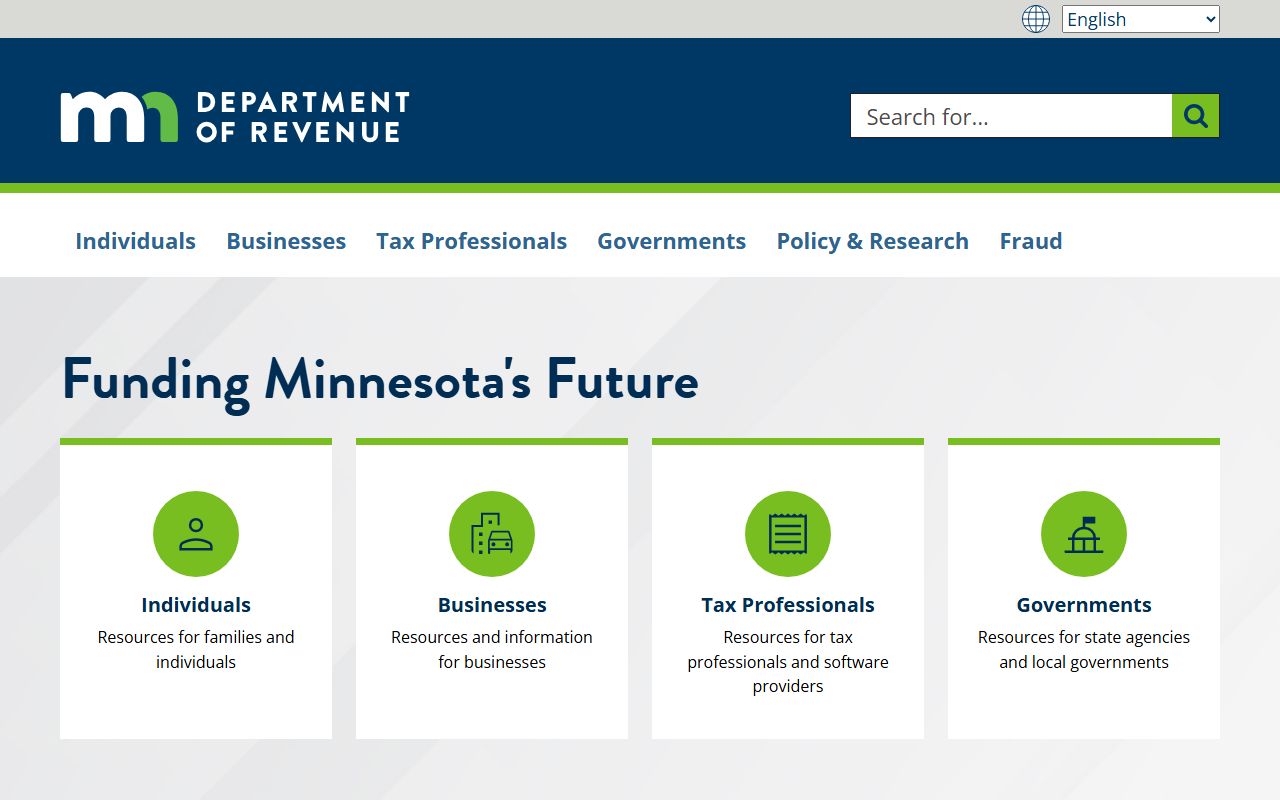
The site provides fact sheets, refund forms, appeals guidance, and statistical reports covering all 87 counties.
Where to Find Minnesota Property Tax Records
Property tax records in Minnesota are kept at the county level. Each county's Auditor-Treasurer's Office holds tax statements, payment histories, and delinquency records. The Assessor's Office holds assessment data, market values, and property classifications. Most counties make these records available online. Some counties use the Beacon by Schneider Geospatial system, which lets you search by address, parcel number, or owner name and pull up current and historical tax information.
The Minnesota Geospatial Information Office (MnGeo) provides a directory of county-level land ownership and property record resources. Parcel data, plat maps, and ownership records are all maintained at the county level. MnGeo links to county recorders, assessors, and land surveyor offices so you can find the right local source fast.
The MnGeo land ownership and property records page connects you directly to county data sources across Minnesota.
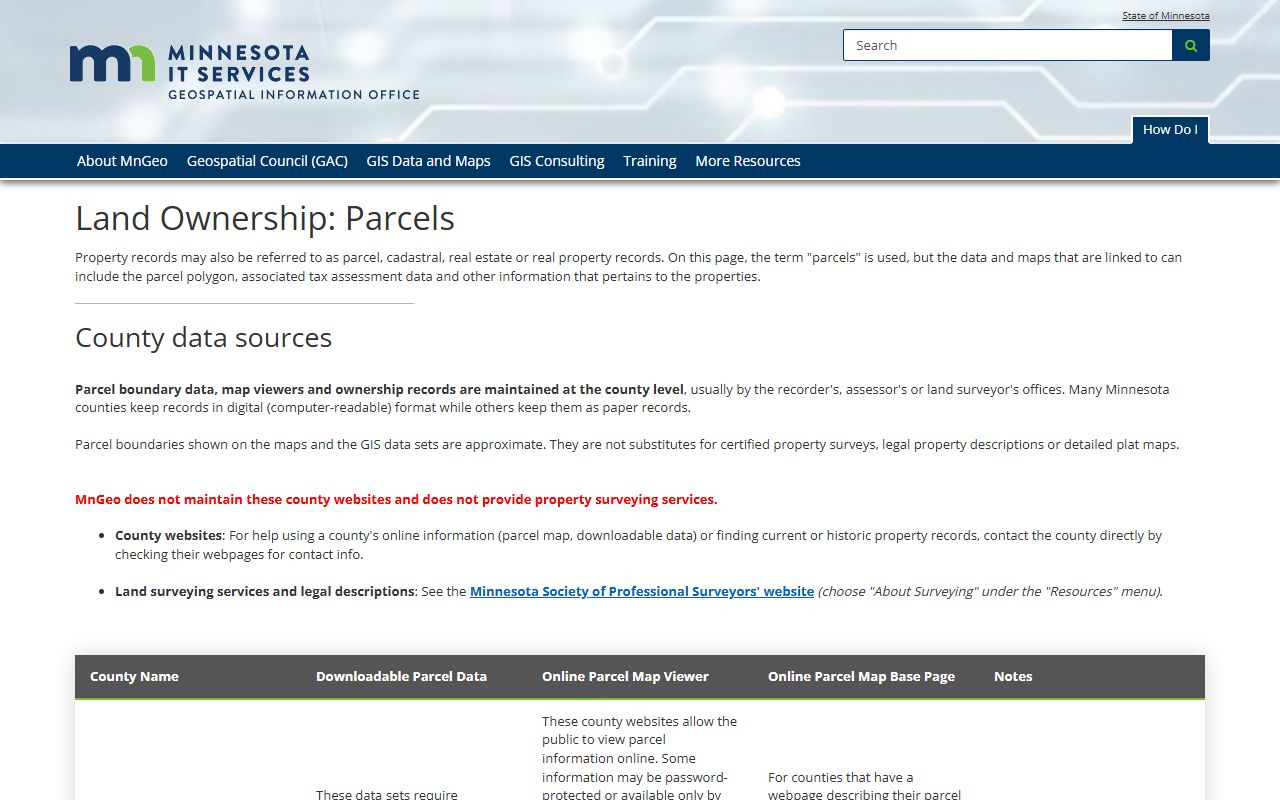
Use this resource to locate your specific county's assessor portal, parcel viewer, or GIS mapping tool.
For statewide data and trends, the Property Tax Data and Statistics page from the Department of Revenue compiles effective tax rates, levies, market values, and sales ratio studies by county. This is the best resource if you need to compare tax rates or look at historical trends across the state.
Search Property Tax Records Online
Minnesota offers several online tools to search property tax records. The most widely used is the Beacon property search system. More than 75 of Minnesota's 87 counties use Beacon to let the public look up parcels, view assessment data, and check tax balances. You can search by address or parcel ID and get current year assessed value, property class, and tax amount. Some county Beacon portals also let you print tax statements or pay online.
The Minnesota Department of Revenue's Interactive Property Tax Data Tool lets you create custom reports by county and year. You can filter by property class and download data tables showing tax rates, levies, and market values. It was built based on public feedback to make statewide data easier to access. Researchers, property owners, and policy analysts all use it regularly.
The interactive data tool shows you tax trends and county comparisons across Minnesota property tax records.
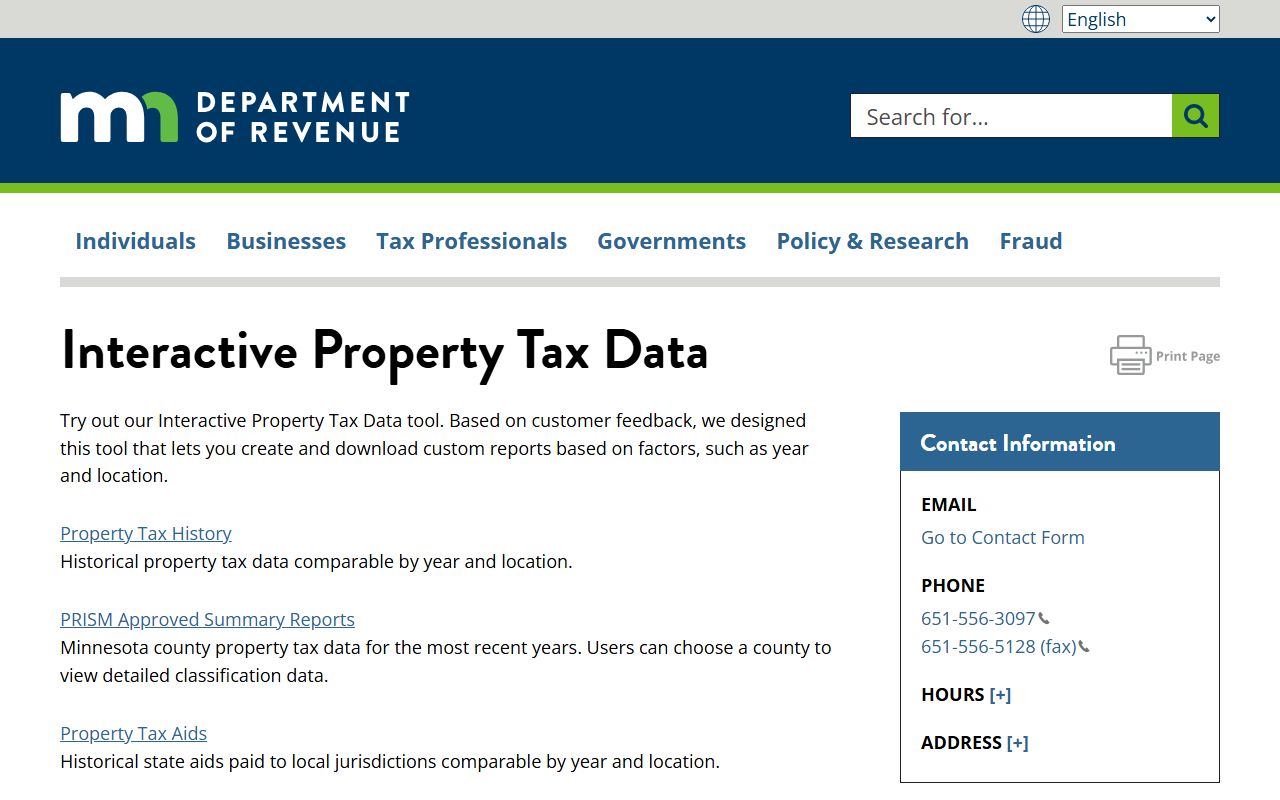
You can filter by year and county to build custom reports and download the results for further analysis.
Several large counties run their own search systems. Anoka County uses its Property Records and Taxation portal. Dakota County maintains DakotaRecords.us. Washington County uses washington.minnesotaassessors.com. Ramsey County has an interactive map tool called MapRamsey. Hennepin County's property information search is one of the most detailed in the state. Each system is different, but most let you search by address and view current assessment and tax data.
The Beacon platform is the most common system used by Minnesota counties for property tax records searches.
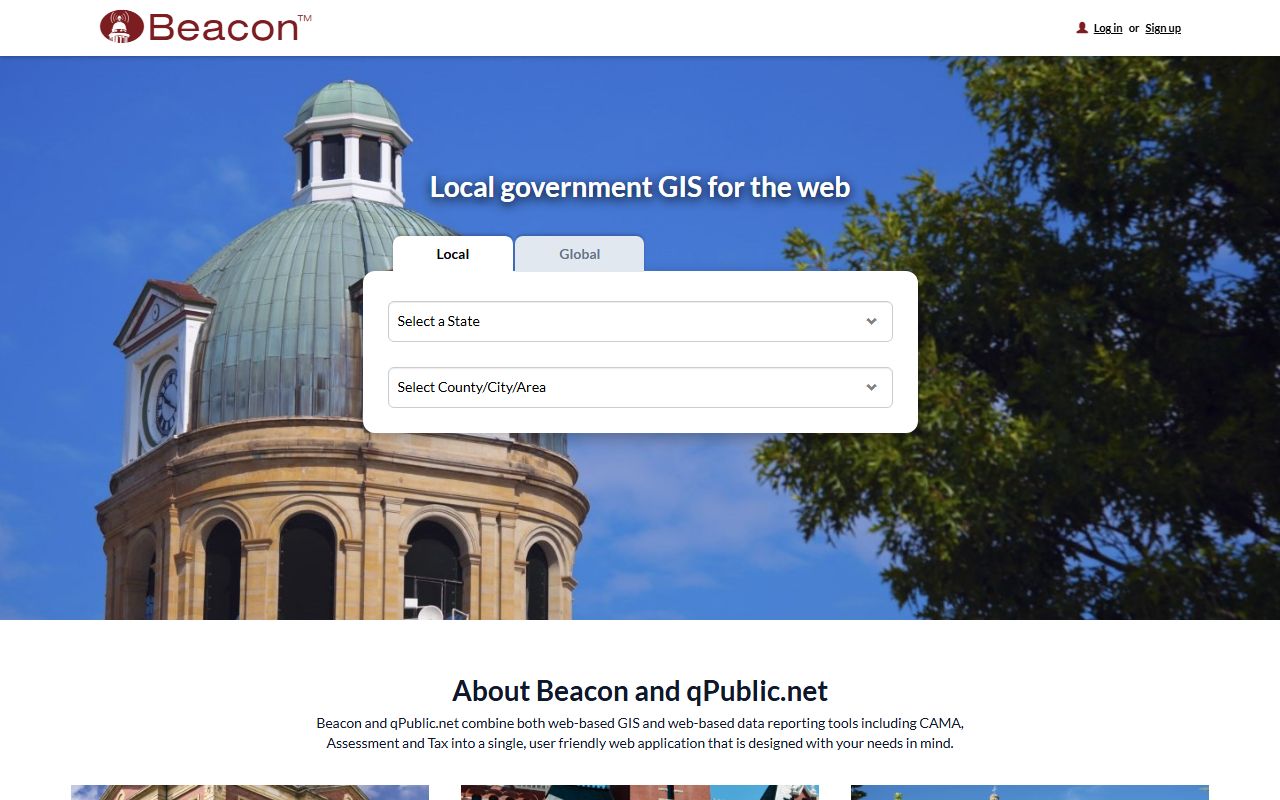
If your county uses Beacon, you can search by address, owner name, or parcel number to view tax and assessment details.
Property Tax Data and Statistics
The Department of Revenue publishes detailed property tax data for every county in the state. The Property Tax Data and Statistics page has current and historical reports on effective tax rates, levies, and market values. You can find certified levy data, market value by property type, and sales ratio studies going back many years. This resource is useful if you want to see how your county's rates compare to others or track changes over time.
The data and statistics page on the Department of Revenue covers levy, market value, and effective rate data by county.
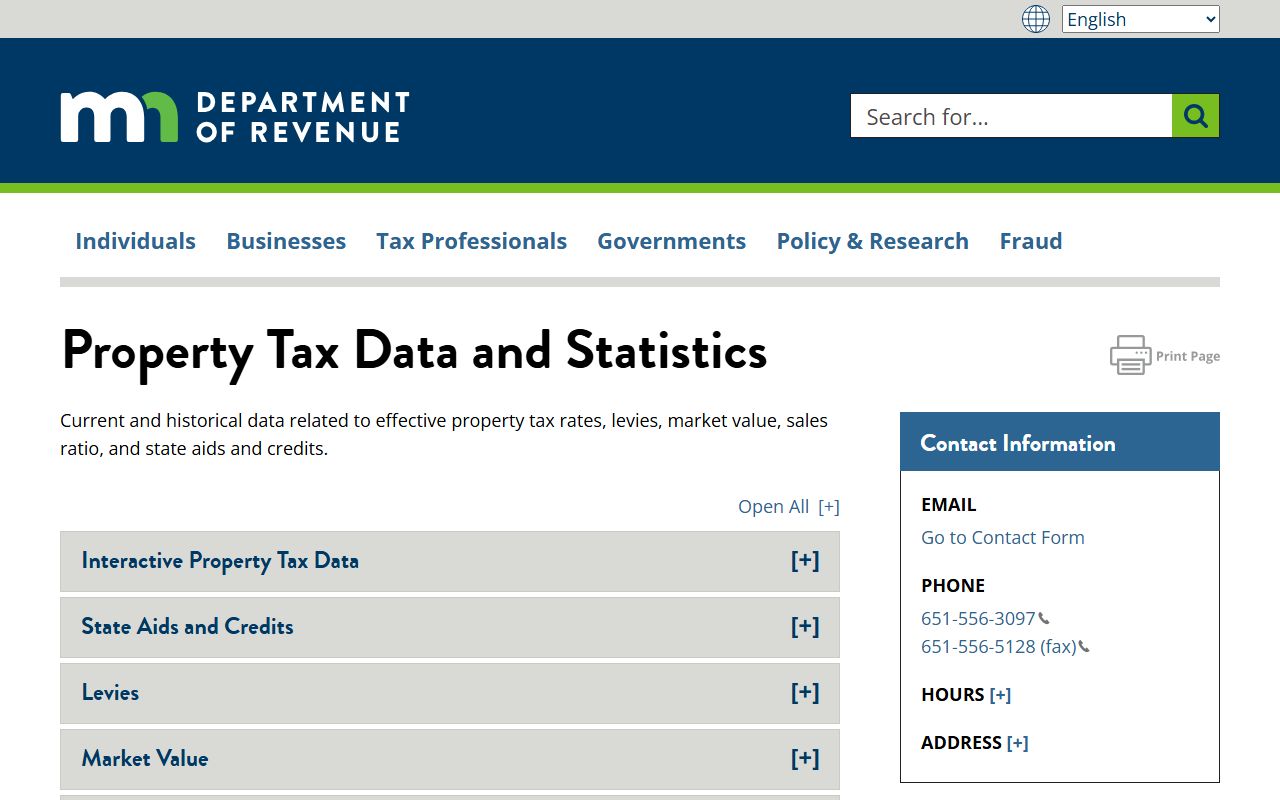
Reports are updated annually after all 87 counties submit their data to the Department of Revenue.
For longer-term research, the Property Tax History Data Portal has data going back to 2005. It is updated each year after all 87 counties submit their numbers. You can use it to compare your property's tax history against county averages or look at how the tax base has changed since 2005.
The history portal shows year-by-year property tax records and trends for every Minnesota county since 2005.
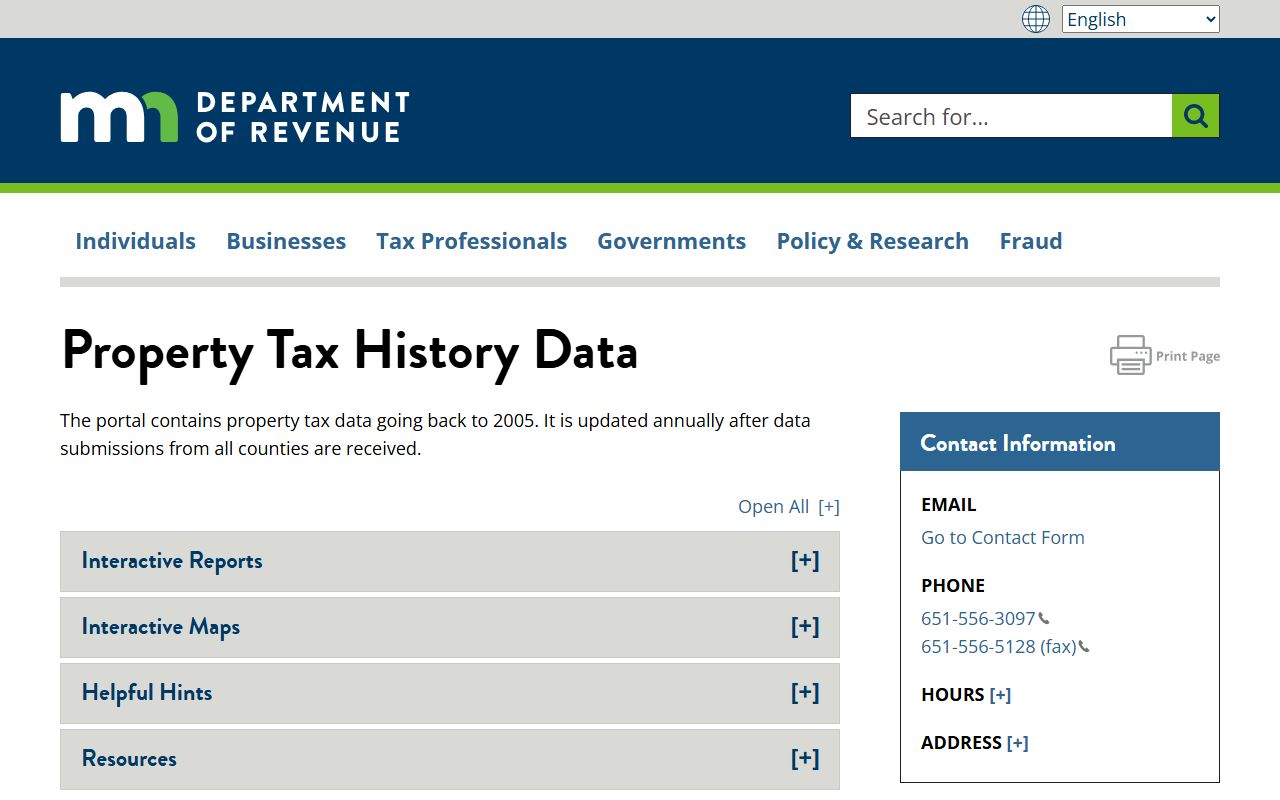
Download historical datasets for any county or view summary tables comparing tax burdens across different years.
Property Tax Payment Schedule
Minnesota property taxes are due in two payments each year. The first half is due May 15. The second half is due October 15. Under Minnesota Statutes Chapter 276, counties must mail tax statements by March 31. The statement shows how much you owe, what taxing jurisdictions your payment goes to, and how to pay. Most counties offer online payment, mail-in payment, and in-person options.
Late payments carry a penalty. Interest accrues on unpaid taxes under Minnesota Statutes Chapter 279, which governs tax liens and delinquency. If taxes remain unpaid long enough, the county can begin forfeiture proceedings. Forfeited property is managed under Minnesota Statutes Chapter 282. Property owners have a right to redeem tax-forfeited land within a set period under Chapter 281.
Note: Agricultural properties have different payment deadlines. Check with your county Auditor-Treasurer for the exact rules that apply to your parcel type.
Property Assessment and Classification
Minnesota law requires counties to assess all taxable property at 100 percent of fair market value. Under Chapter 273, assessors must follow uniform valuation standards. The assessment date is January 2 of each year. Values set on that date determine the taxes you pay the following year. Your county assessor will mail a Notice of Valuation and Classification each spring showing your property's estimated market value and class.
The statutes governing property assessment and listing provide the legal basis for how counties value and classify properties for tax purposes.
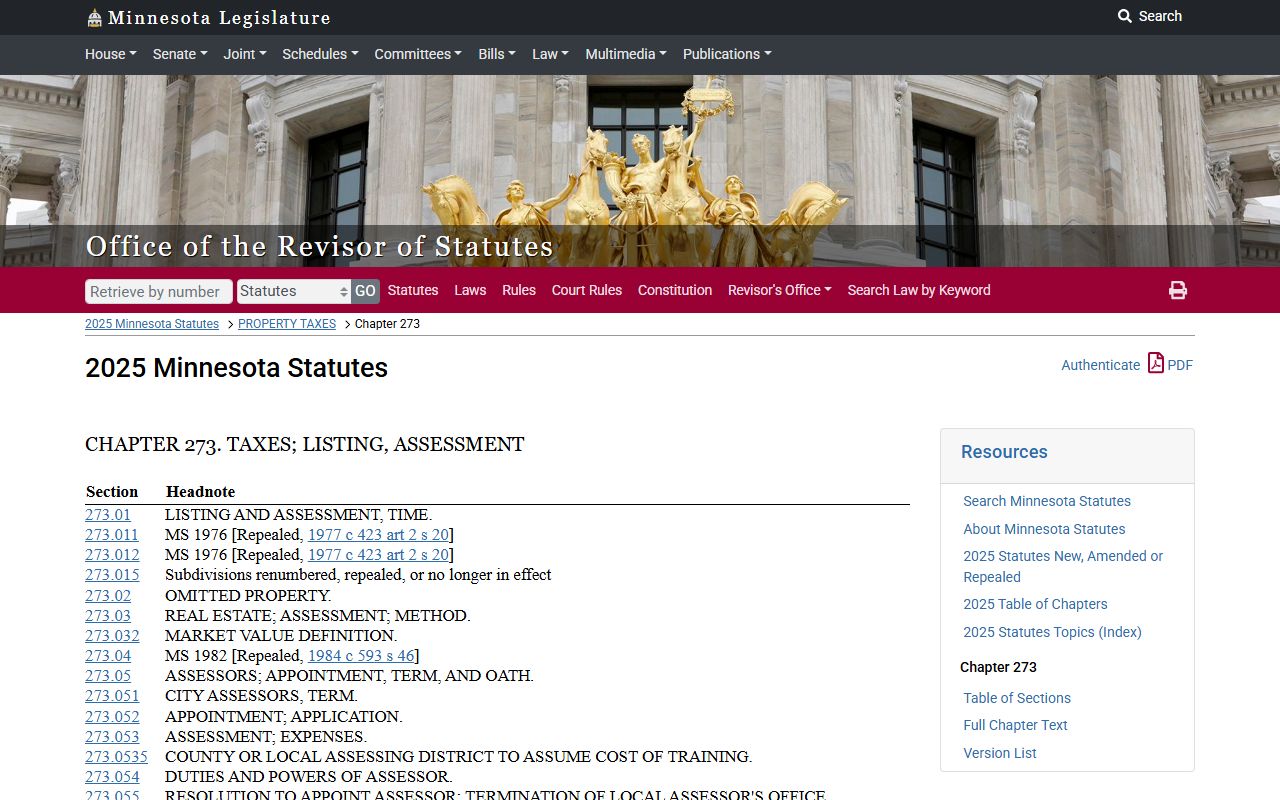
Chapter 273 covers valuation standards, homestead classification requirements, and the assessment process that applies to all Minnesota properties.
Classification matters a lot. Residential homestead property gets a lower class rate than non-homestead residential or commercial property. Under Minnesota Statutes section 273.13, homestead property on the first $500,000 of value is taxed at a 1.00 percent class rate. Values above that threshold fall under a 1.25 percent rate. Commercial and industrial property carries higher rates. The class rate is just one part of the calculation, but it significantly affects what you pay.
The general provisions of property tax law under Chapter 272 set out which properties are taxable and which are exempt.
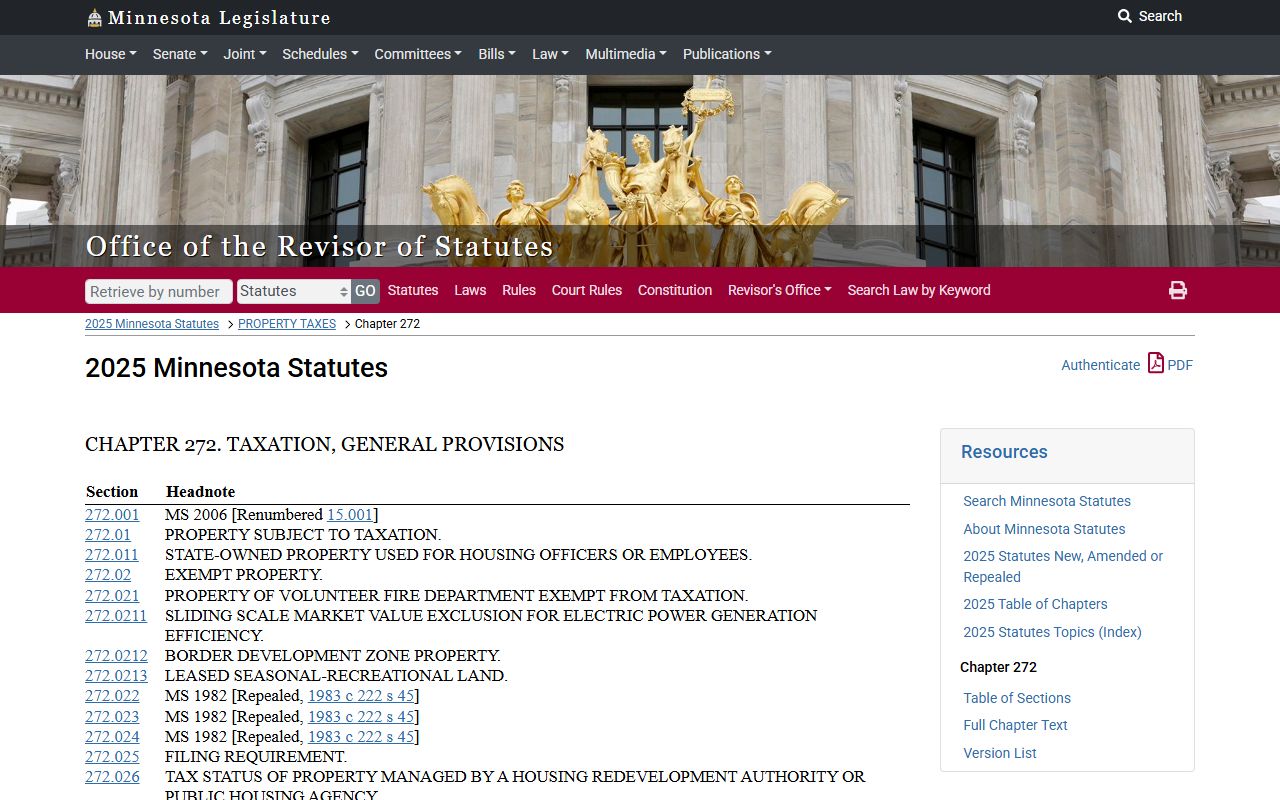
Government, religious, charitable, and educational properties are typically exempt under the standards set in Chapter 272.
Homestead Classification in Minnesota
Homestead is one of the most valuable property tax benefits in Minnesota. If you own and occupy your home as your primary residence, you can apply for homestead classification. It lowers your class rate and makes you eligible for the property tax refund program. Under Minnesota Statutes section 273.124, you must occupy the property by December 1 and apply through your county assessor by December 31 to qualify for the following tax year.
Homestead classification also provides a market value exclusion. Under Minnesota law, a portion of the homestead's estimated market value is excluded from the calculation, which reduces the taxable value. For homes valued up to $76,000, the exclusion equals 40 percent of market value. For homes valued between $76,000 and $413,800, the exclusion decreases gradually. Homes above $413,800 get no exclusion. The result is that many homeowners pay taxes on a taxable market value that is lower than their full estimated market value.
When you buy a home, you need to apply for homestead at your county assessor's office. You must show proof that you live there as your main home. Contact your county assessor or visit their website to find the homestead application form and deadline information.
Minnesota Property Tax Refund Program
Minnesota offers a property tax refund to homeowners and renters whose property taxes are high relative to their income. The refund is claimed on Form M1PR, filed separately from your regular income tax return. Homeowners can claim both a regular refund and a special refund if their taxes increased by more than a set threshold from the prior year. Renters can claim a refund based on a share of the rent they paid during the year, since rent is assumed to include a property tax component.
The Property Tax Burden Report, also called the Voss Report, analyzes how property tax burdens vary by income and region across Minnesota.
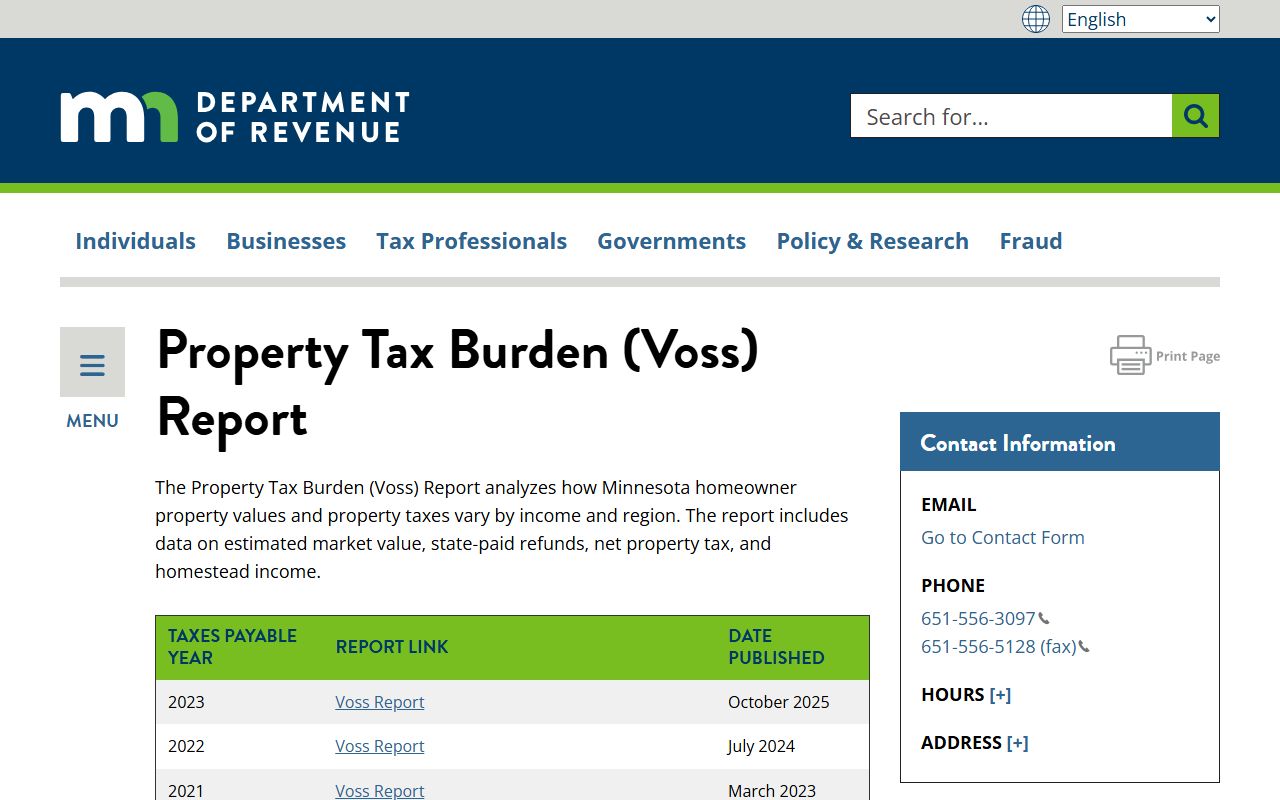
The report shows estimated market value, state-paid refunds, net property taxes, and homestead income data by county and region.
The M1PR deadline is August 15 each year, but you can file up to one year late. The refund is governed by Minnesota Statutes Chapter 290A, which sets eligibility rules, income thresholds, and refund calculations. You can file online through the Department of Revenue's e-Services portal or by mail. The refund amount depends on your household income and the net property taxes you paid. Most qualifying homeowners receive a direct deposit or mailed check within a few weeks of filing.
Property Tax Appeals in Minnesota
If you think your property is assessed at too high a value, you have the right to appeal. The process starts with your county assessor. You can call or visit their office to request an informal review before the formal appeal deadline. Many assessors will adjust the value if you bring evidence like a recent appraisal or comparable sales. This step costs nothing and often resolves the issue.
If the informal review doesn't help, you can appeal to the Local Board of Appeal and Equalization. This board meets in April or May each year. Under Minnesota Statutes Chapter 274, the local board reviews contested assessments and can order changes. If you're still not satisfied, you can appeal to the County Board of Equalization in June. After that, your options include filing a petition with the Minnesota Tax Court or filing an abatement petition under Chapter 278.
The annual statistics from the Department of Revenue document how property taxes are collected and distributed across Minnesota each year.
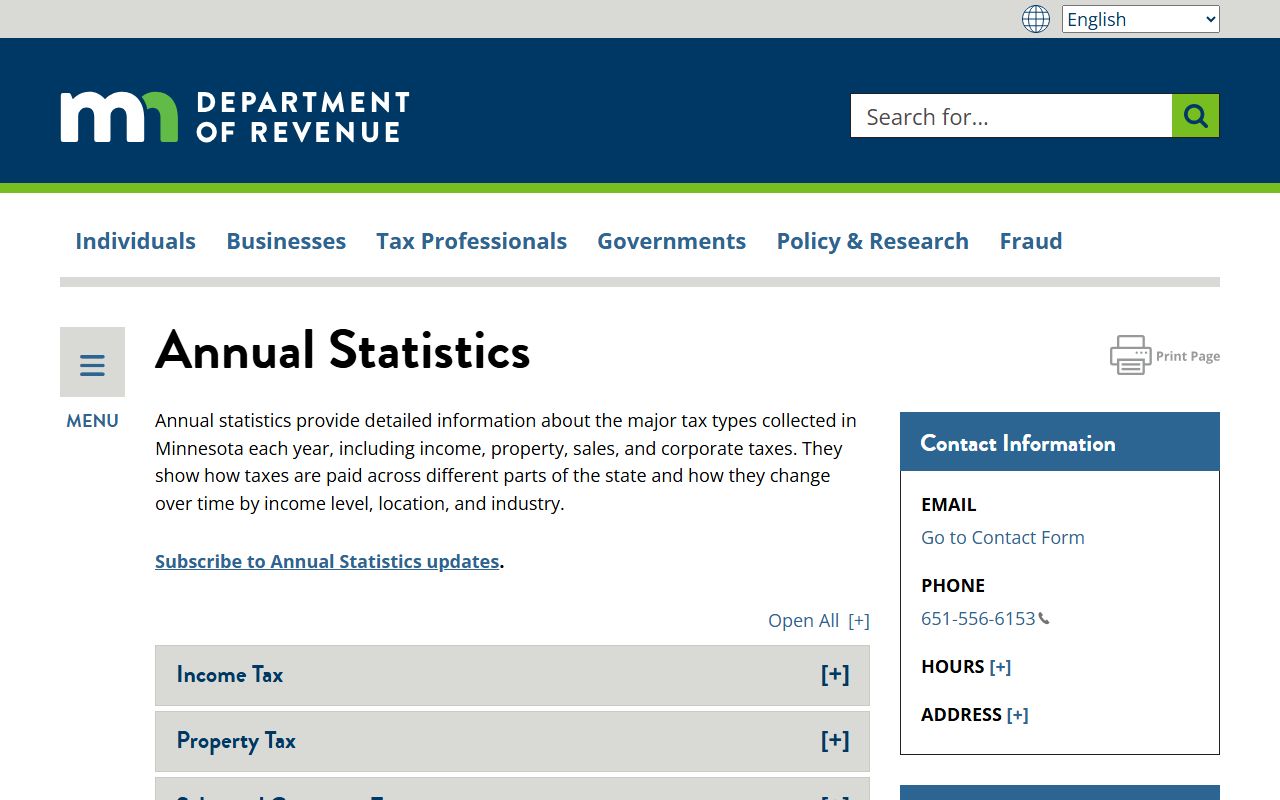
This data shows year-over-year changes in levies, payments, and tax base by county, giving context to assessment trends statewide.
The Minnesota Tax Court is a specialized court that hears property tax disputes. It has two divisions: the Small Claims Division for cases under $5,000 and the Regular Division for larger disputes. You can reach the Tax Court at (651) 539-3260 or visit mn.gov/tax-court for forms and filing instructions. The court has statewide jurisdiction and is the sole authority for tax disputes short of an appeal to the Supreme Court.
Truth in Taxation
Each fall, Minnesota property owners receive a Truth in Taxation notice in the mail. This notice shows the proposed property tax for the coming year, broken down by taxing jurisdiction. It also tells you when and where local governments are holding public hearings on their proposed budgets. Under Minnesota Statutes Chapter 275, local governments must hold these hearings before they can finalize their levies. Final levies must be certified by December 31.
The Truth in Taxation process gives property owners a chance to comment on proposed budgets and ask questions before final tax levies are set. Local governments are required to hold hearings and respond to public input. This transparency requirement has been part of Minnesota law for decades and is one of the ways the state tries to keep local government accountable to property owners.
The property tax services report from the Department of Revenue details the collaborative work between counties and the state to run the property tax system.
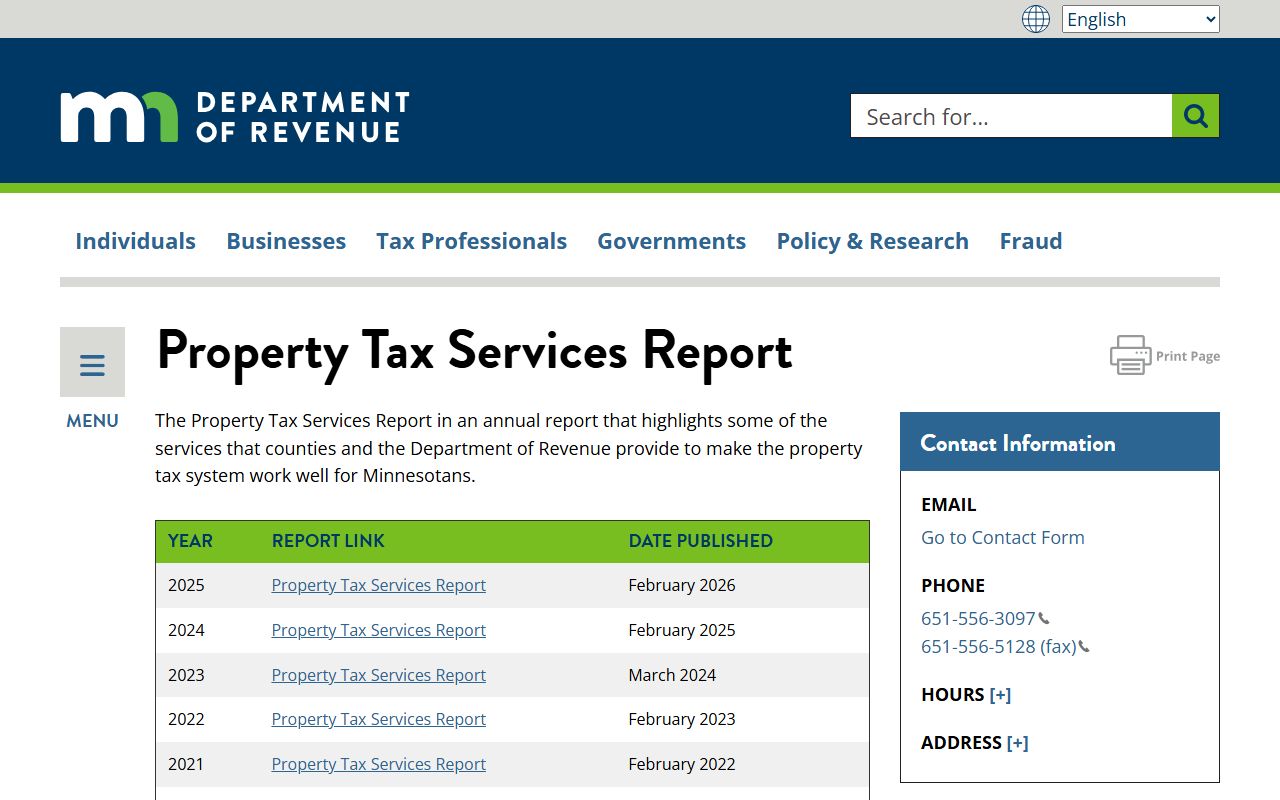
The annual report covers county service highlights, system improvements, and how the state and counties work together on property tax administration.
Minnesota Deed Tax and Land Records
When real property changes hands in Minnesota, the buyer or seller pays the Minnesota Deed Tax at the time of recording. The tax rate is 0.33 percent of the net consideration paid. Counties collect this tax when the deed is presented to the County Recorder for recording. Certain transactions, like transfers between spouses or to certain government entities, qualify for exemptions. The deed tax applies to all conveyances of Minnesota real property unless a specific exemption applies.
The deed tax information page on the Department of Revenue covers rates, exemptions, and recording procedures.
County recorders collect the deed tax when deeds and other conveyance documents are submitted for recording, which creates the paper trail behind property ownership.
Browse Minnesota Property Tax Records by County
Each of Minnesota's 87 counties manages property tax records locally. Select a county below to find the assessor's office, auditor-treasurer, online search portals, and contact information for property tax records in that area.
View All 87 Minnesota Counties
Property Tax Records in Major Minnesota Cities
Property taxes in Minnesota are managed through the county, not the city. Select a city below to find the county office that handles property tax records for that area, along with local search tools and contact information.